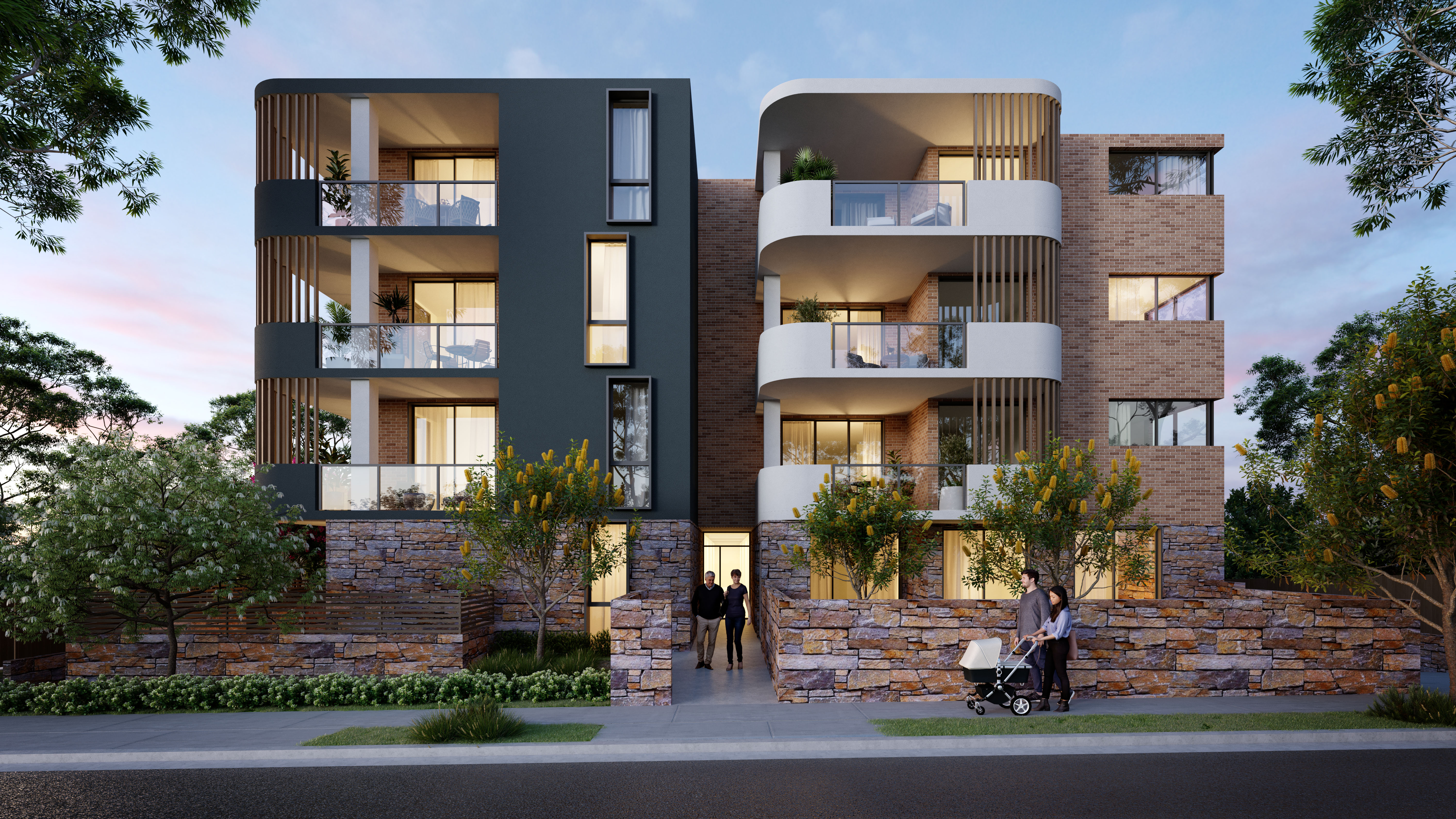
Webelieveintheseamlessintegrationofarchitectureandinteriorsasacohesiveexperience-creatingspaceswhereform,function,andfeelingworkasone.
Webelieveintheseamlessintegrationofarchitectureandinteriorsasacohesiveexperience-creatingspaceswhereform,function,andfeelingworkasone.
Drivenbymateriality,tactility,anddetail,ourworkispeople-centered;craftedfromtheoutsidein,andtheinsideout-todeliverafuturebuiltworldthatisharmonious,inclusive,enduring,andquietlyconfident.
Drivenbymateriality,tactility,anddetail,ourworkispeople-centered;craftedfromtheoutsidein,andtheinsideout-todeliverafuturebuiltworldthatisharmonious,inclusive,enduring,andquietlyconfident.
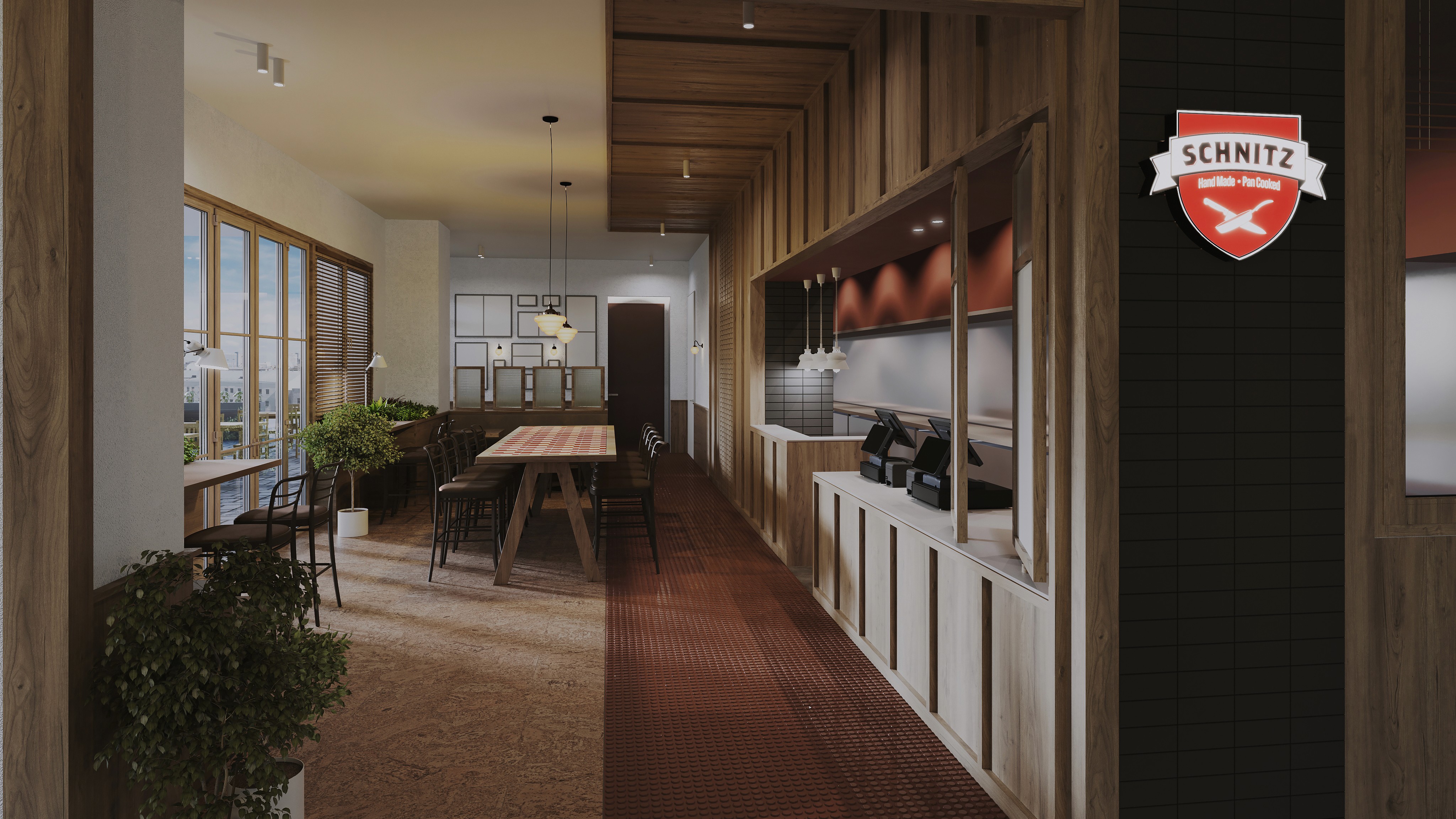
Ourapproachisgroundedincollaboration,clarityandpeople-leddesign.Weguideprojectsfromearlyconceptthroughtoconstruction,ensuringeachstageiscarefullyconsidered,technicallyresolvedandalignedwithcommunity,councilandclientobjectives.
Ourapproachisgroundedincollaboration,clarityandpeople-leddesign.Weguideprojectsfromearlyconceptthroughtoconstruction,ensuringeachstageiscarefullyconsidered,technicallyresolvedandalignedwithcommunity,councilandclientobjectives.
Our Methodology
Phase 1 - Discovery & Concept Design
We begin by understanding the site, project brief and broader community context. Our team reviews background documentation and undertakes early stakeholder and authority engagement. Concept and schematic design options are developed alongside initial consultant coordination and ESD strategies. This phase establishes a clear design direction supported by visuals, consultation feedback and a preliminary cost plan.

Phase 2 - Planning and Approvals
Navigating complex regulatory landscapes with care, ensuring both architecture and interiors move smoothly through the planning process.
Phase 3 - Design Development
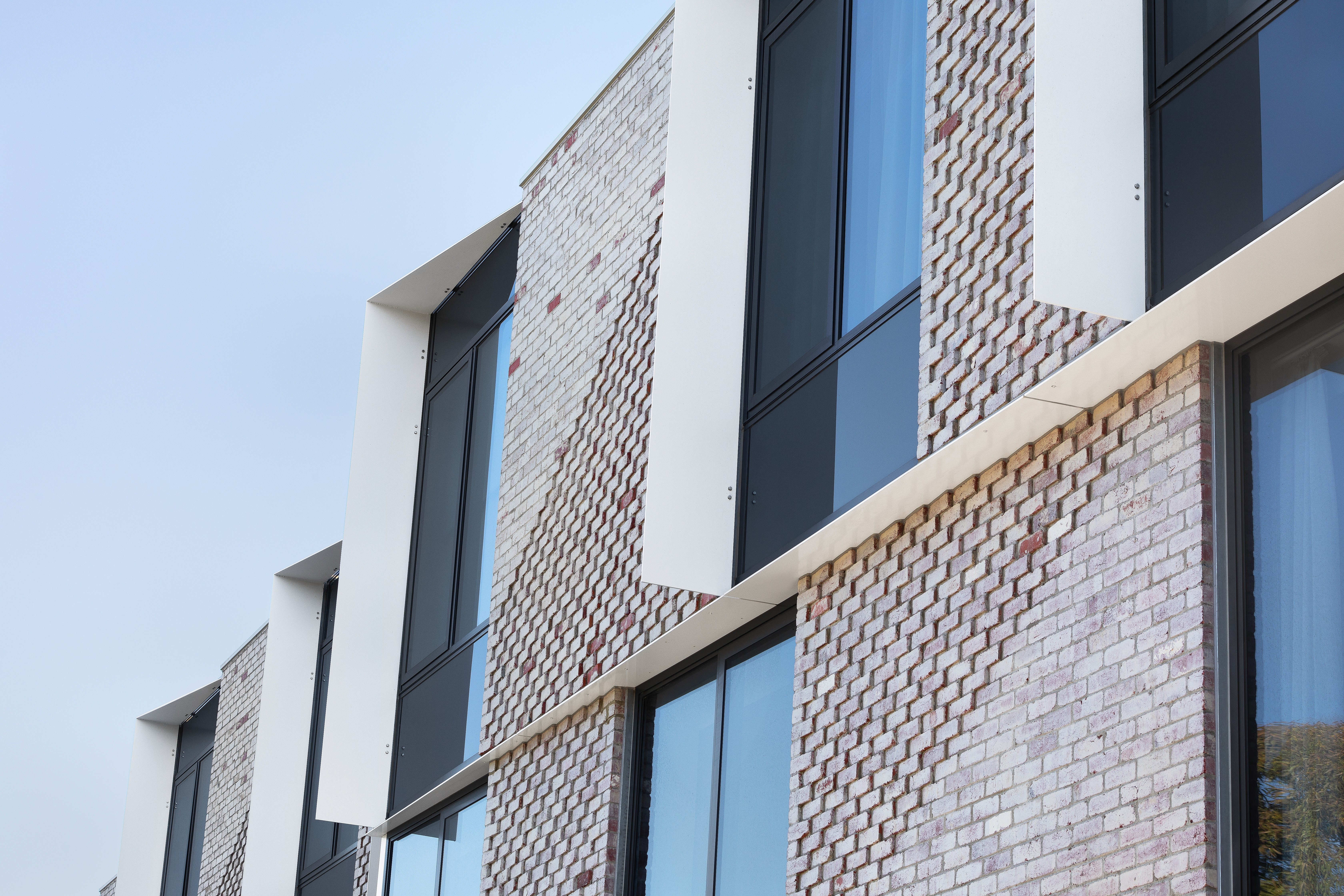
The preferred concept is refined into a resolved and coordinated design. We integrate stakeholder feedback, planning requirements and technical inputs across all disciplines. Materials, layouts and sustainability initiatives are tested for durability, accessibility and long-term performance. The outcome is a coordinated design package supported by a detailed cost plan.
Phase 4 - Documentation & Approvals
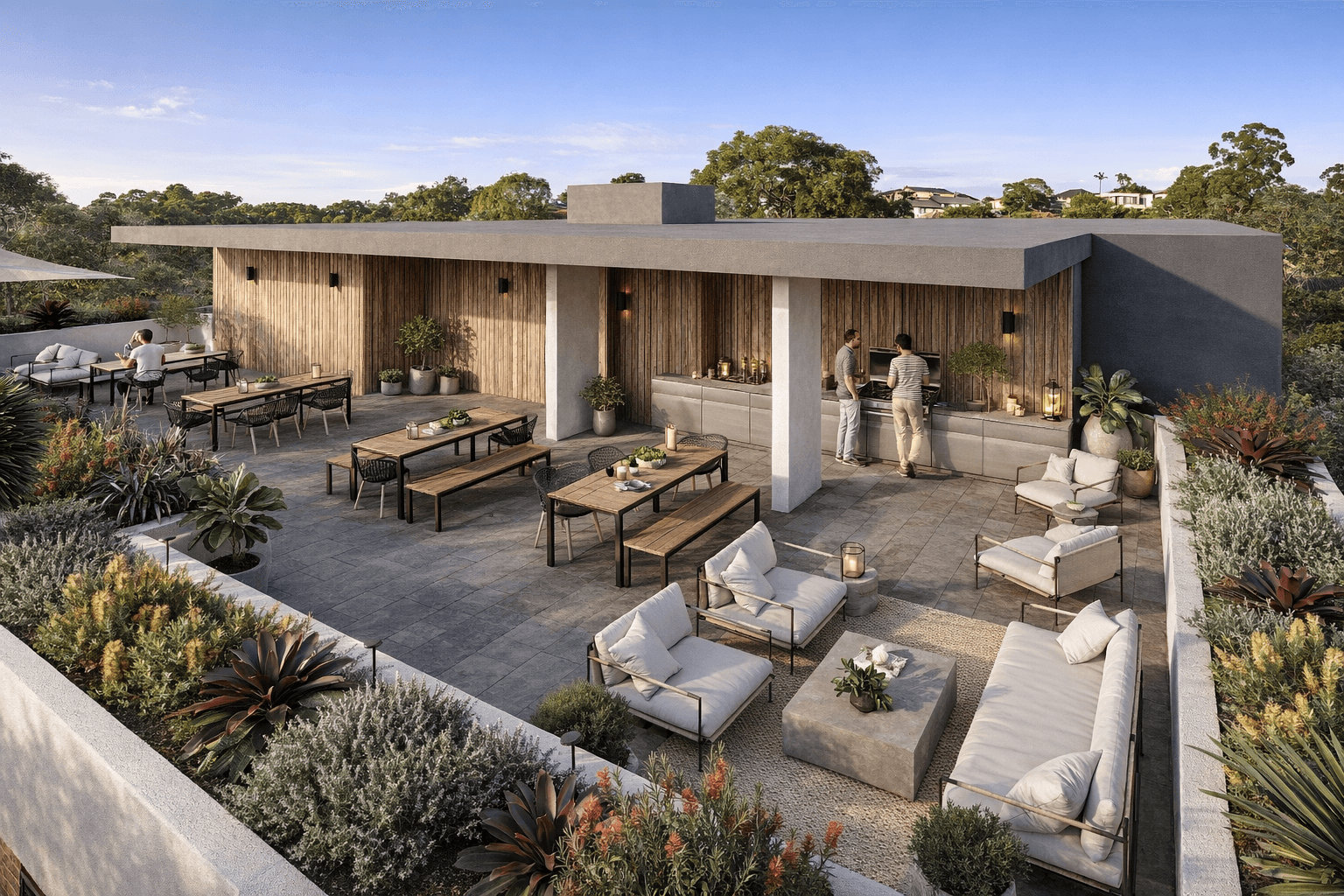
We prepare comprehensive documentation suitable for tender, approvals and construction. Architectural drawings are fully coordinated with structural, civil, services and landscape consultants. All authority and building permit requirements are addressed through a clear and structured process. This phase delivers a complete, accurate and build-ready documentation set.
Phase 5 - Tender & Construction Delivery
We support council through the tender process, responding to queries and issuing clarifications as required. Once appointed, we work closely with the contractor to protect design intent and quality. Our team attends site meetings, reviews shop drawings and responds to construction queries. The project concludes with defect inspections, handover documentation and final certification.
Phase 1 - Discovery & Concept Design
We begin by understanding the site, project brief and broader community context. Our team reviews background documentation and undertakes early stakeholder and authority engagement. Concept and schematic design options are developed alongside initial consultant coordination and ESD strategies. This phase establishes a clear design direction supported by visuals, consultation feedback and a preliminary cost plan.
Phase 2 - Planning and Approvals
Navigating complex regulatory landscapes with care, ensuring both architecture and interiors move smoothly through the planning process.
Phase 3 - Design Development
The preferred concept is refined into a resolved and coordinated design. We integrate stakeholder feedback, planning requirements and technical inputs across all disciplines. Materials, layouts and sustainability initiatives are tested for durability, accessibility and long-term performance. The outcome is a coordinated design package supported by a detailed cost plan.
Phase 4 - Documentation & Approvals
We prepare comprehensive documentation suitable for tender, approvals and construction. Architectural drawings are fully coordinated with structural, civil, services and landscape consultants. All authority and building permit requirements are addressed through a clear and structured process. This phase delivers a complete, accurate and build-ready documentation set.
Phase 5 - Tender & Construction Delivery
We support council through the tender process, responding to queries and issuing clarifications as required. Once appointed, we work closely with the contractor to protect design intent and quality. Our team attends site meetings, reviews shop drawings and responds to construction queries. The project concludes with defect inspections, handover documentation and final certification.
Phase 1 - Discovery & Concept Design
We begin by understanding the site, project brief and broader community context. Our team reviews background documentation and undertakes early stakeholder and authority engagement. Concept and schematic design options are developed alongside initial consultant coordination and ESD strategies. This phase establishes a clear design direction supported by visuals, consultation feedback and a preliminary cost plan.
Phase 2 - Planning and Approvals
Navigating complex regulatory landscapes with care, ensuring both architecture and interiors move smoothly through the planning process.
Phase 3 - Design Development
The preferred concept is refined into a resolved and coordinated design. We integrate stakeholder feedback, planning requirements and technical inputs across all disciplines. Materials, layouts and sustainability initiatives are tested for durability, accessibility and long-term performance. The outcome is a coordinated design package supported by a detailed cost plan.
Phase 4 - Documentation & Approvals
We prepare comprehensive documentation suitable for tender, approvals and construction. Architectural drawings are fully coordinated with structural, civil, services and landscape consultants. All authority and building permit requirements are addressed through a clear and structured process. This phase delivers a complete, accurate and build-ready documentation set.
Phase 5 - Tender & Construction Delivery
We support council through the tender process, responding to queries and issuing clarifications as required. Once appointed, we work closely with the contractor to protect design intent and quality. Our team attends site meetings, reviews shop drawings and responds to construction queries. The project concludes with defect inspections, handover documentation and final certification.
Phase 1 - Discovery & Concept Design
We begin by understanding the site, project brief and broader community context. Our team reviews background documentation and undertakes early stakeholder and authority engagement. Concept and schematic design options are developed alongside initial consultant coordination and ESD strategies. This phase establishes a clear design direction supported by visuals, consultation feedback and a preliminary cost plan.
Phase 2 - Planning and Approvals
Navigating complex regulatory landscapes with care, ensuring both architecture and interiors move smoothly through the planning process.
Phase 3 - Design Development
The preferred concept is refined into a resolved and coordinated design. We integrate stakeholder feedback, planning requirements and technical inputs across all disciplines. Materials, layouts and sustainability initiatives are tested for durability, accessibility and long-term performance. The outcome is a coordinated design package supported by a detailed cost plan.
Phase 4 - Documentation & Approvals
We prepare comprehensive documentation suitable for tender, approvals and construction. Architectural drawings are fully coordinated with structural, civil, services and landscape consultants. All authority and building permit requirements are addressed through a clear and structured process. This phase delivers a complete, accurate and build-ready documentation set.
Phase 5 - Tender & Construction Delivery
We support council through the tender process, responding to queries and issuing clarifications as required. Once appointed, we work closely with the contractor to protect design intent and quality. Our team attends site meetings, reviews shop drawings and responds to construction queries. The project concludes with defect inspections, handover documentation and final certification.
Phase 1 - Discovery & Concept Design
We begin by understanding the site, project brief and broader community context. Our team reviews background documentation and undertakes early stakeholder and authority engagement. Concept and schematic design options are developed alongside initial consultant coordination and ESD strategies. This phase establishes a clear design direction supported by visuals, consultation feedback and a preliminary cost plan.
Phase 2 - Planning and Approvals
Navigating complex regulatory landscapes with care, ensuring both architecture and interiors move smoothly through the planning process.
Phase 3 - Design Development
The preferred concept is refined into a resolved and coordinated design. We integrate stakeholder feedback, planning requirements and technical inputs across all disciplines. Materials, layouts and sustainability initiatives are tested for durability, accessibility and long-term performance. The outcome is a coordinated design package supported by a detailed cost plan.
Phase 4 - Documentation & Approvals
We prepare comprehensive documentation suitable for tender, approvals and construction. Architectural drawings are fully coordinated with structural, civil, services and landscape consultants. All authority and building permit requirements are addressed through a clear and structured process. This phase delivers a complete, accurate and build-ready documentation set.
Phase 5 - Tender & Construction Delivery
We support council through the tender process, responding to queries and issuing clarifications as required. Once appointed, we work closely with the contractor to protect design intent and quality. Our team attends site meetings, reviews shop drawings and responds to construction queries. The project concludes with defect inspections, handover documentation and final certification.
Phase 1 - Discovery & Concept Design
We begin by understanding the site, project brief and broader community context. Our team reviews background documentation and undertakes early stakeholder and authority engagement. Concept and schematic design options are developed alongside initial consultant coordination and ESD strategies. This phase establishes a clear design direction supported by visuals, consultation feedback and a preliminary cost plan.
Phase 2 - Planning and Approvals
Navigating complex regulatory landscapes with care, ensuring both architecture and interiors move smoothly through the planning process.
Phase 3 - Design Development
The preferred concept is refined into a resolved and coordinated design. We integrate stakeholder feedback, planning requirements and technical inputs across all disciplines. Materials, layouts and sustainability initiatives are tested for durability, accessibility and long-term performance. The outcome is a coordinated design package supported by a detailed cost plan.
Phase 4 - Documentation & Approvals
We prepare comprehensive documentation suitable for tender, approvals and construction. Architectural drawings are fully coordinated with structural, civil, services and landscape consultants. All authority and building permit requirements are addressed through a clear and structured process. This phase delivers a complete, accurate and build-ready documentation set.
Phase 5 - Tender & Construction Delivery
We support council through the tender process, responding to queries and issuing clarifications as required. Once appointed, we work closely with the contractor to protect design intent and quality. Our team attends site meetings, reviews shop drawings and responds to construction queries. The project concludes with defect inspections, handover documentation and final certification.
Phase 1 - Discovery & Concept Design
We begin by understanding the site, project brief and broader community context. Our team reviews background documentation and undertakes early stakeholder and authority engagement. Concept and schematic design options are developed alongside initial consultant coordination and ESD strategies. This phase establishes a clear design direction supported by visuals, consultation feedback and a preliminary cost plan.
Phase 2 - Planning and Approvals
Navigating complex regulatory landscapes with care, ensuring both architecture and interiors move smoothly through the planning process.
Phase 3 - Design Development
The preferred concept is refined into a resolved and coordinated design. We integrate stakeholder feedback, planning requirements and technical inputs across all disciplines. Materials, layouts and sustainability initiatives are tested for durability, accessibility and long-term performance. The outcome is a coordinated design package supported by a detailed cost plan.
Phase 4 - Documentation & Approvals
We prepare comprehensive documentation suitable for tender, approvals and construction. Architectural drawings are fully coordinated with structural, civil, services and landscape consultants. All authority and building permit requirements are addressed through a clear and structured process. This phase delivers a complete, accurate and build-ready documentation set.
Phase 5 - Tender & Construction Delivery
We support council through the tender process, responding to queries and issuing clarifications as required. Once appointed, we work closely with the contractor to protect design intent and quality. Our team attends site meetings, reviews shop drawings and responds to construction queries. The project concludes with defect inspections, handover documentation and final certification.
Phase 1 - Discovery & Concept Design
We begin by understanding the site, project brief and broader community context. Our team reviews background documentation and undertakes early stakeholder and authority engagement. Concept and schematic design options are developed alongside initial consultant coordination and ESD strategies. This phase establishes a clear design direction supported by visuals, consultation feedback and a preliminary cost plan.
Phase 2 - Planning and Approvals
Navigating complex regulatory landscapes with care, ensuring both architecture and interiors move smoothly through the planning process.
Phase 3 - Design Development
The preferred concept is refined into a resolved and coordinated design. We integrate stakeholder feedback, planning requirements and technical inputs across all disciplines. Materials, layouts and sustainability initiatives are tested for durability, accessibility and long-term performance. The outcome is a coordinated design package supported by a detailed cost plan.
Phase 4 - Documentation & Approvals
We prepare comprehensive documentation suitable for tender, approvals and construction. Architectural drawings are fully coordinated with structural, civil, services and landscape consultants. All authority and building permit requirements are addressed through a clear and structured process. This phase delivers a complete, accurate and build-ready documentation set.
Phase 5 - Tender & Construction Delivery
We support council through the tender process, responding to queries and issuing clarifications as required. Once appointed, we work closely with the contractor to protect design intent and quality. Our team attends site meetings, reviews shop drawings and responds to construction queries. The project concludes with defect inspections, handover documentation and final certification.
Phase 1 - Discovery & Concept Design
We begin by understanding the site, project brief and broader community context. Our team reviews background documentation and undertakes early stakeholder and authority engagement. Concept and schematic design options are developed alongside initial consultant coordination and ESD strategies. This phase establishes a clear design direction supported by visuals, consultation feedback and a preliminary cost plan.
Phase 2 - Planning and Approvals
Navigating complex regulatory landscapes with care, ensuring both architecture and interiors move smoothly through the planning process.
Phase 3 - Design Development
The preferred concept is refined into a resolved and coordinated design. We integrate stakeholder feedback, planning requirements and technical inputs across all disciplines. Materials, layouts and sustainability initiatives are tested for durability, accessibility and long-term performance. The outcome is a coordinated design package supported by a detailed cost plan.
Phase 4 - Documentation & Approvals
We prepare comprehensive documentation suitable for tender, approvals and construction. Architectural drawings are fully coordinated with structural, civil, services and landscape consultants. All authority and building permit requirements are addressed through a clear and structured process. This phase delivers a complete, accurate and build-ready documentation set.
Phase 5 - Tender & Construction Delivery
We support council through the tender process, responding to queries and issuing clarifications as required. Once appointed, we work closely with the contractor to protect design intent and quality. Our team attends site meetings, reviews shop drawings and responds to construction queries. The project concludes with defect inspections, handover documentation and final certification.
Phase 1 - Discovery & Concept Design
We begin by understanding the site, project brief and broader community context. Our team reviews background documentation and undertakes early stakeholder and authority engagement. Concept and schematic design options are developed alongside initial consultant coordination and ESD strategies. This phase establishes a clear design direction supported by visuals, consultation feedback and a preliminary cost plan.
Phase 2 - Planning and Approvals
Navigating complex regulatory landscapes with care, ensuring both architecture and interiors move smoothly through the planning process.
Phase 3 - Design Development
The preferred concept is refined into a resolved and coordinated design. We integrate stakeholder feedback, planning requirements and technical inputs across all disciplines. Materials, layouts and sustainability initiatives are tested for durability, accessibility and long-term performance. The outcome is a coordinated design package supported by a detailed cost plan.
Phase 4 - Documentation & Approvals
We prepare comprehensive documentation suitable for tender, approvals and construction. Architectural drawings are fully coordinated with structural, civil, services and landscape consultants. All authority and building permit requirements are addressed through a clear and structured process. This phase delivers a complete, accurate and build-ready documentation set.
Phase 5 - Tender & Construction Delivery
We support council through the tender process, responding to queries and issuing clarifications as required. Once appointed, we work closely with the contractor to protect design intent and quality. Our team attends site meetings, reviews shop drawings and responds to construction queries. The project concludes with defect inspections, handover documentation and final certification.
Phase 1 - Discovery & Concept Design
We begin by understanding the site, project brief and broader community context. Our team reviews background documentation and undertakes early stakeholder and authority engagement. Concept and schematic design options are developed alongside initial consultant coordination and ESD strategies. This phase establishes a clear design direction supported by visuals, consultation feedback and a preliminary cost plan.
Phase 2 - Planning and Approvals
Navigating complex regulatory landscapes with care, ensuring both architecture and interiors move smoothly through the planning process.
Phase 3 - Design Development
The preferred concept is refined into a resolved and coordinated design. We integrate stakeholder feedback, planning requirements and technical inputs across all disciplines. Materials, layouts and sustainability initiatives are tested for durability, accessibility and long-term performance. The outcome is a coordinated design package supported by a detailed cost plan.
Phase 4 - Documentation & Approvals
We prepare comprehensive documentation suitable for tender, approvals and construction. Architectural drawings are fully coordinated with structural, civil, services and landscape consultants. All authority and building permit requirements are addressed through a clear and structured process. This phase delivers a complete, accurate and build-ready documentation set.
Phase 5 - Tender & Construction Delivery
We support council through the tender process, responding to queries and issuing clarifications as required. Once appointed, we work closely with the contractor to protect design intent and quality. Our team attends site meetings, reviews shop drawings and responds to construction queries. The project concludes with defect inspections, handover documentation and final certification.
Phase 1 - Discovery & Concept Design
We begin by understanding the site, project brief and broader community context. Our team reviews background documentation and undertakes early stakeholder and authority engagement. Concept and schematic design options are developed alongside initial consultant coordination and ESD strategies. This phase establishes a clear design direction supported by visuals, consultation feedback and a preliminary cost plan.
Phase 2 - Planning and Approvals
Navigating complex regulatory landscapes with care, ensuring both architecture and interiors move smoothly through the planning process.
Phase 3 - Design Development
The preferred concept is refined into a resolved and coordinated design. We integrate stakeholder feedback, planning requirements and technical inputs across all disciplines. Materials, layouts and sustainability initiatives are tested for durability, accessibility and long-term performance. The outcome is a coordinated design package supported by a detailed cost plan.
Phase 4 - Documentation & Approvals
We prepare comprehensive documentation suitable for tender, approvals and construction. Architectural drawings are fully coordinated with structural, civil, services and landscape consultants. All authority and building permit requirements are addressed through a clear and structured process. This phase delivers a complete, accurate and build-ready documentation set.
Phase 5 - Tender & Construction Delivery
We support council through the tender process, responding to queries and issuing clarifications as required. Once appointed, we work closely with the contractor to protect design intent and quality. Our team attends site meetings, reviews shop drawings and responds to construction queries. The project concludes with defect inspections, handover documentation and final certification.
Phase 1 - Discovery & Concept Design
We begin by understanding the site, project brief and broader community context. Our team reviews background documentation and undertakes early stakeholder and authority engagement. Concept and schematic design options are developed alongside initial consultant coordination and ESD strategies. This phase establishes a clear design direction supported by visuals, consultation feedback and a preliminary cost plan.
Phase 2 - Planning and Approvals
Navigating complex regulatory landscapes with care, ensuring both architecture and interiors move smoothly through the planning process.
Phase 3 - Design Development
The preferred concept is refined into a resolved and coordinated design. We integrate stakeholder feedback, planning requirements and technical inputs across all disciplines. Materials, layouts and sustainability initiatives are tested for durability, accessibility and long-term performance. The outcome is a coordinated design package supported by a detailed cost plan.
Phase 4 - Documentation & Approvals
We prepare comprehensive documentation suitable for tender, approvals and construction. Architectural drawings are fully coordinated with structural, civil, services and landscape consultants. All authority and building permit requirements are addressed through a clear and structured process. This phase delivers a complete, accurate and build-ready documentation set.
Phase 5 - Tender & Construction Delivery
We support council through the tender process, responding to queries and issuing clarifications as required. Once appointed, we work closely with the contractor to protect design intent and quality. Our team attends site meetings, reviews shop drawings and responds to construction queries. The project concludes with defect inspections, handover documentation and final certification.
Phase 1 - Discovery & Concept Design
We begin by understanding the site, project brief and broader community context. Our team reviews background documentation and undertakes early stakeholder and authority engagement. Concept and schematic design options are developed alongside initial consultant coordination and ESD strategies. This phase establishes a clear design direction supported by visuals, consultation feedback and a preliminary cost plan.
Phase 2 - Planning and Approvals
Navigating complex regulatory landscapes with care, ensuring both architecture and interiors move smoothly through the planning process.
Phase 3 - Design Development
The preferred concept is refined into a resolved and coordinated design. We integrate stakeholder feedback, planning requirements and technical inputs across all disciplines. Materials, layouts and sustainability initiatives are tested for durability, accessibility and long-term performance. The outcome is a coordinated design package supported by a detailed cost plan.
Phase 4 - Documentation & Approvals
We prepare comprehensive documentation suitable for tender, approvals and construction. Architectural drawings are fully coordinated with structural, civil, services and landscape consultants. All authority and building permit requirements are addressed through a clear and structured process. This phase delivers a complete, accurate and build-ready documentation set.
Phase 5 - Tender & Construction Delivery
We support council through the tender process, responding to queries and issuing clarifications as required. Once appointed, we work closely with the contractor to protect design intent and quality. Our team attends site meetings, reviews shop drawings and responds to construction queries. The project concludes with defect inspections, handover documentation and final certification.
Phase 1 - Discovery & Concept Design
We begin by understanding the site, project brief and broader community context. Our team reviews background documentation and undertakes early stakeholder and authority engagement. Concept and schematic design options are developed alongside initial consultant coordination and ESD strategies. This phase establishes a clear design direction supported by visuals, consultation feedback and a preliminary cost plan.
Phase 2 - Planning and Approvals
Navigating complex regulatory landscapes with care, ensuring both architecture and interiors move smoothly through the planning process.
Phase 3 - Design Development
The preferred concept is refined into a resolved and coordinated design. We integrate stakeholder feedback, planning requirements and technical inputs across all disciplines. Materials, layouts and sustainability initiatives are tested for durability, accessibility and long-term performance. The outcome is a coordinated design package supported by a detailed cost plan.
Phase 4 - Documentation & Approvals
We prepare comprehensive documentation suitable for tender, approvals and construction. Architectural drawings are fully coordinated with structural, civil, services and landscape consultants. All authority and building permit requirements are addressed through a clear and structured process. This phase delivers a complete, accurate and build-ready documentation set.
Phase 5 - Tender & Construction Delivery
We support council through the tender process, responding to queries and issuing clarifications as required. Once appointed, we work closely with the contractor to protect design intent and quality. Our team attends site meetings, reviews shop drawings and responds to construction queries. The project concludes with defect inspections, handover documentation and final certification.
Phase 1 - Discovery & Concept Design
We begin by understanding the site, project brief and broader community context. Our team reviews background documentation and undertakes early stakeholder and authority engagement. Concept and schematic design options are developed alongside initial consultant coordination and ESD strategies. This phase establishes a clear design direction supported by visuals, consultation feedback and a preliminary cost plan.
Phase 2 - Planning and Approvals
Navigating complex regulatory landscapes with care, ensuring both architecture and interiors move smoothly through the planning process.
Phase 3 - Design Development
The preferred concept is refined into a resolved and coordinated design. We integrate stakeholder feedback, planning requirements and technical inputs across all disciplines. Materials, layouts and sustainability initiatives are tested for durability, accessibility and long-term performance. The outcome is a coordinated design package supported by a detailed cost plan.
Phase 4 - Documentation & Approvals
We prepare comprehensive documentation suitable for tender, approvals and construction. Architectural drawings are fully coordinated with structural, civil, services and landscape consultants. All authority and building permit requirements are addressed through a clear and structured process. This phase delivers a complete, accurate and build-ready documentation set.
Phase 5 - Tender & Construction Delivery
We support council through the tender process, responding to queries and issuing clarifications as required. Once appointed, we work closely with the contractor to protect design intent and quality. Our team attends site meetings, reviews shop drawings and responds to construction queries. The project concludes with defect inspections, handover documentation and final certification.
Bybalancingcreativitywithtechnicalprecision,wedeliverplacesandspacesthatarefunctionalyetpoetic,efficientyetemotive-designedtostandthetestoftimebothmateriallyandsocially.
Bybalancingcreativitywithtechnicalprecision,wedeliverplacesandspacesthatarefunctionalyetpoetic,efficientyetemotive-designedtostandthetestoftimebothmateriallyandsocially.
Weapproacheveryprojectthroughalensofcontextandconnection,drawinginspirationfromtheuniquecharacterofeachsiteandthepeopleitserves.
Weapproacheveryprojectthroughalensofcontextandconnection,drawinginspirationfromtheuniquecharacterofeachsiteandthepeopleitserves.
Ourdesignprinciplesshapeourapproachtodesigningenvironmentsthatenrichdailylifeandstrengthencommunity.Embeddedineverystage,theychampioncuriosity,respectforcontextandconsideredcrafttodeliverarchitecturewithlastingsocialandenvironmentalvalue.
Ourdesignprinciplesshapeourapproachtodesigningenvironmentsthatenrichdailylifeandstrengthencommunity.Embeddedineverystage,theychampioncuriosity,respectforcontextandconsideredcrafttodeliverarchitecturewithlastingsocialandenvironmentalvalue.
Our Design Principles
Contextual Sensitivity
Design should respond to its site, climate, and cultural context, creating spaces that feel anchored in their environment rather than imposed upon it.
Sustainability & Resilience
Prioritize sustainable design strategies (passive design, energy efficiency, low-impact materials) and ensure projects are resilient to future challenges, such as climate change and evolving user needs.
Timelessness over Trend
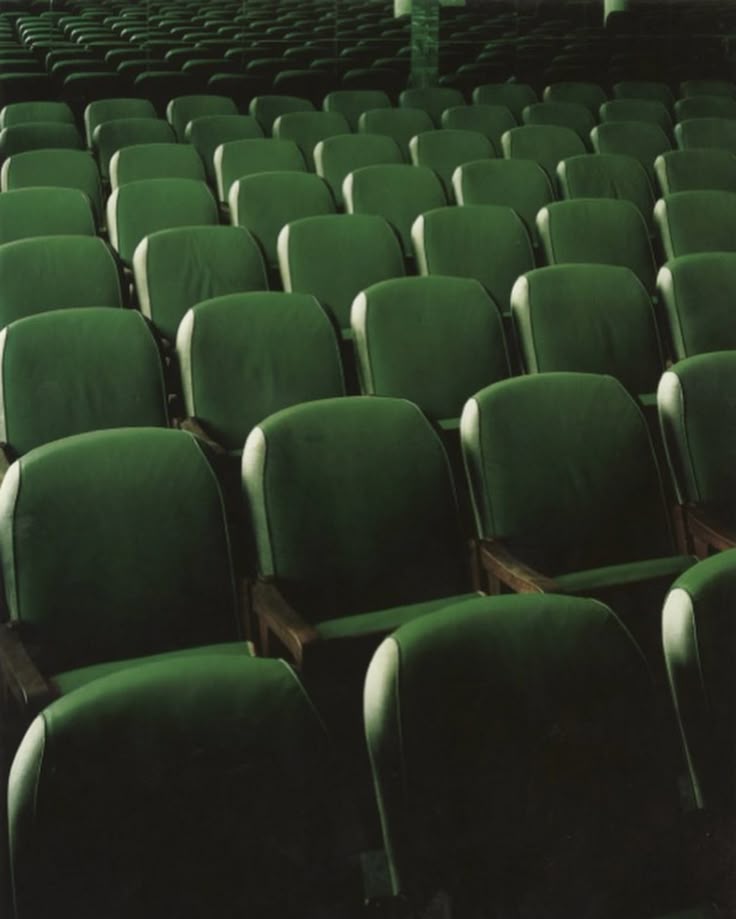
Aim for designs that endure aesthetically and functionally beyond current trends, ensuring longevity and relevance for decades.

Craft & Detail
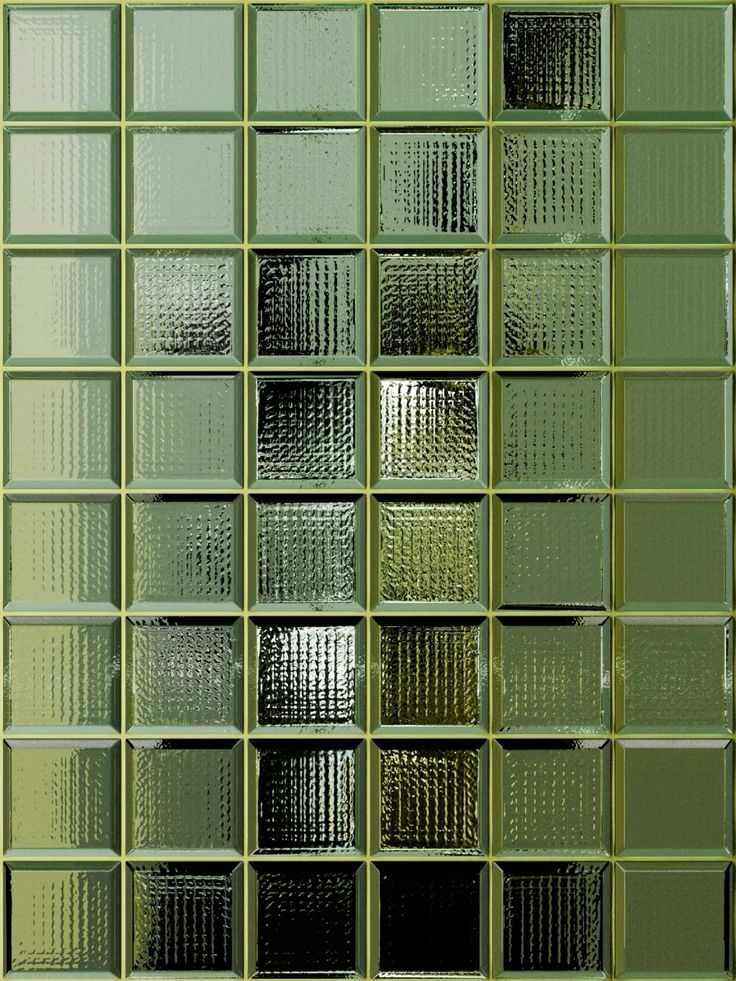
Celebrate craftsmanship and precision by designing details that reflect care, quality, and tactile beauty, both in materiality and assembly.
Inclusivity & Accessibility
Ensure designs welcome all users, regardless of age, ability, or background. Spaces should feel open, equitable, and intuitive to navigate. (Universal Design)

Emotional Resonance
Design with the emotional experience of the user in mind—spaces that inspire, uplift, and create memorable moments through atmosphere, texture, and form.
Adaptability & Future-Proofing
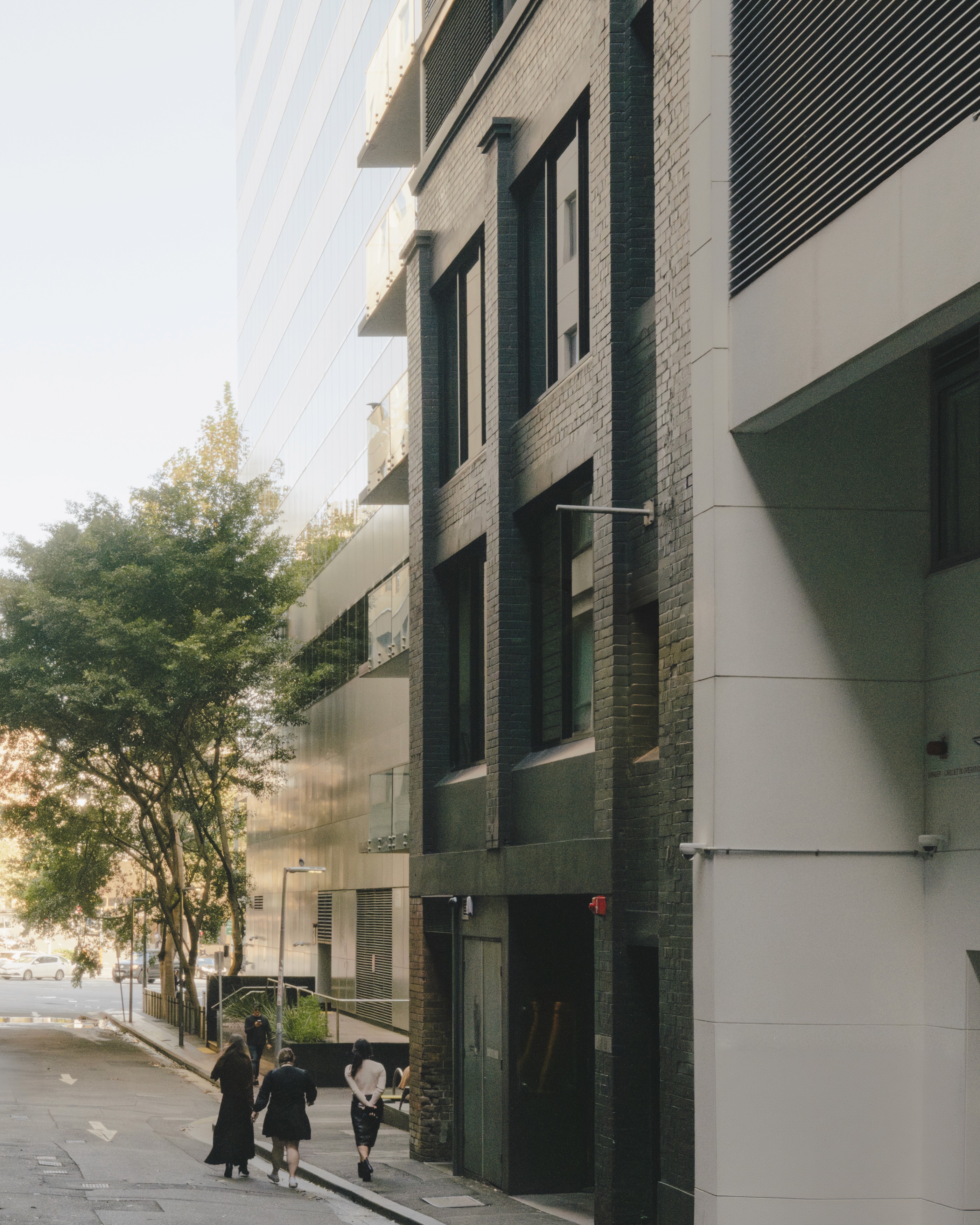
Incorporate flexible layouts and systems that can evolve with changing needs, reducing obsolescence and encouraging longevity. (Aligned with Sustainability)
Technology as a Design Partner
Leverage digital tools, parametric design, and visualization technologies to enhance design outcomes without losing the human-centred approach.

Narrative & Storytelling
Each project should have a clear design narrative - a conceptual story that shapes decision-making and creates a strong, coherent identity.
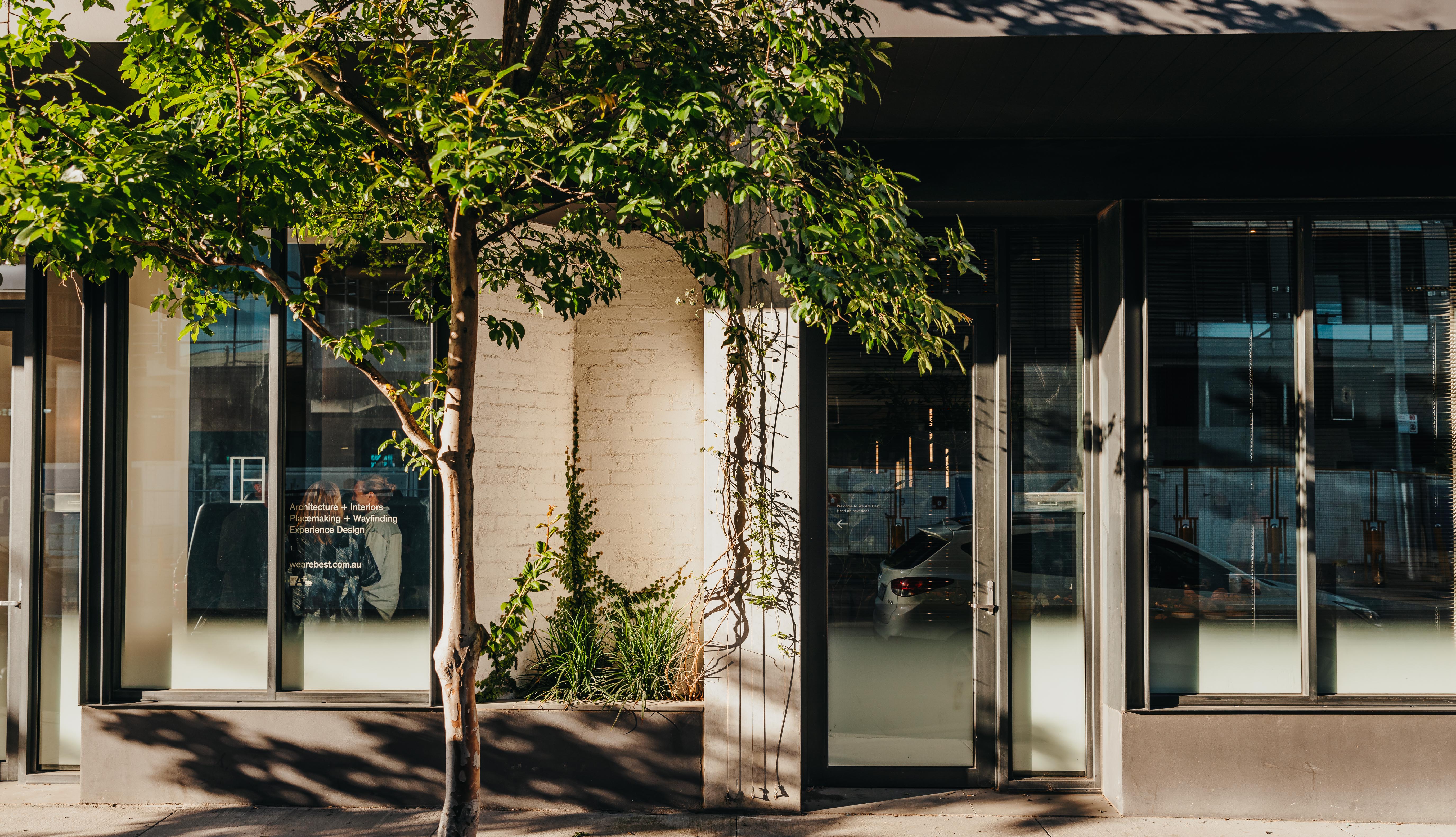
Community & Connection
Foster social interaction and community engagement by designing spaces that encourage connection, collaboration, and a sense of belonging. Taps into Salutogenesis principals as a core driver of better well being outcomes.
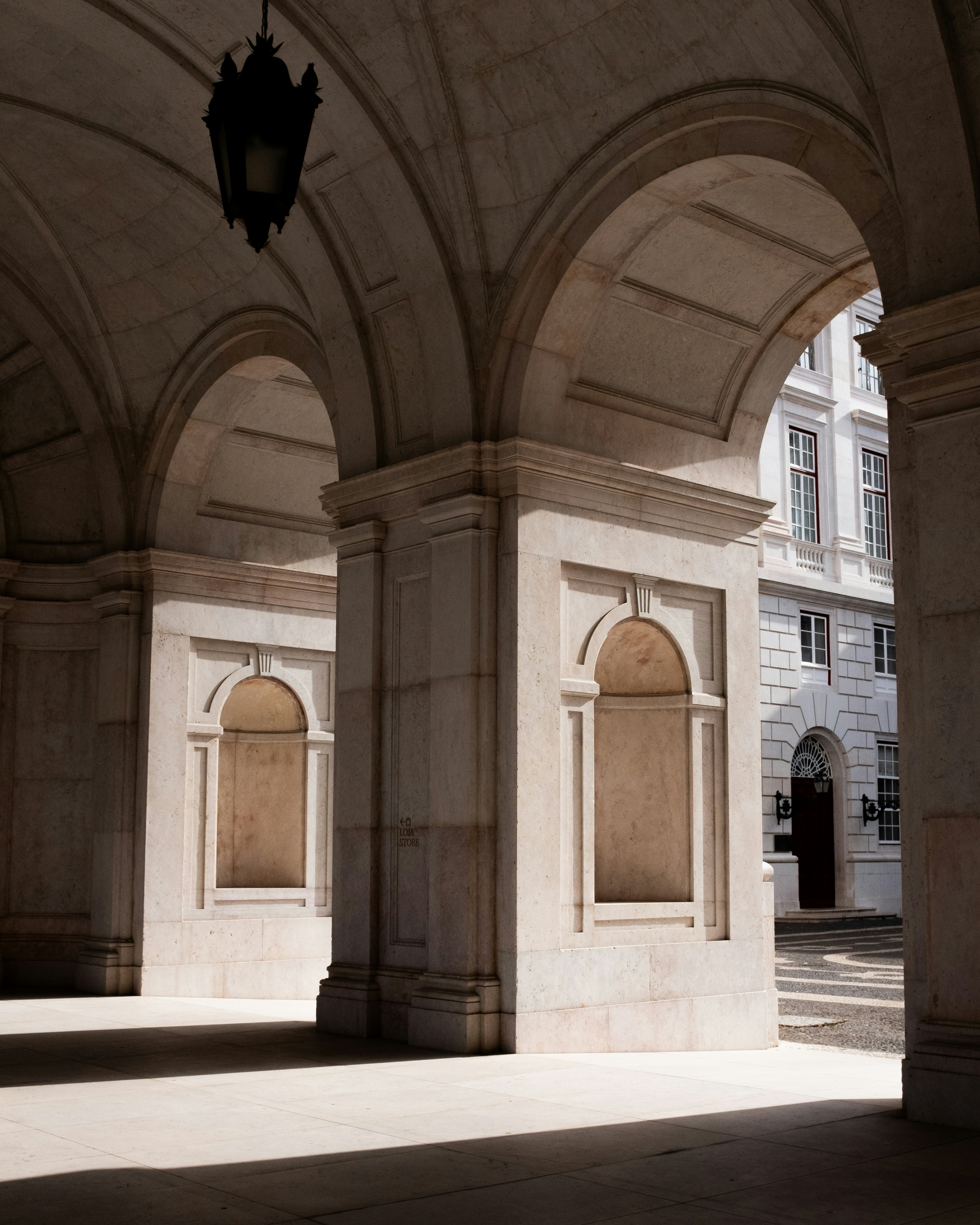
Contextual Sensitivity
Design should respond to its site, climate, and cultural context, creating spaces that feel anchored in their environment rather than imposed upon it.
Sustainability & Resilience
Prioritize sustainable design strategies (passive design, energy efficiency, low-impact materials) and ensure projects are resilient to future challenges, such as climate change and evolving user needs.
Timelessness over Trend
Aim for designs that endure aesthetically and functionally beyond current trends, ensuring longevity and relevance for decades.
Craft & Detail
Celebrate craftsmanship and precision by designing details that reflect care, quality, and tactile beauty, both in materiality and assembly.
Inclusivity & Accessibility
Ensure designs welcome all users, regardless of age, ability, or background. Spaces should feel open, equitable, and intuitive to navigate. (Universal Design)
Emotional Resonance
Design with the emotional experience of the user in mind—spaces that inspire, uplift, and create memorable moments through atmosphere, texture, and form.
Adaptability & Future-Proofing
Incorporate flexible layouts and systems that can evolve with changing needs, reducing obsolescence and encouraging longevity. (Aligned with Sustainability)
Technology as a Design Partner
Leverage digital tools, parametric design, and visualization technologies to enhance design outcomes without losing the human-centred approach.
Narrative & Storytelling
Each project should have a clear design narrative - a conceptual story that shapes decision-making and creates a strong, coherent identity.
Community & Connection
Foster social interaction and community engagement by designing spaces that encourage connection, collaboration, and a sense of belonging. Taps into Salutogenesis principals as a core driver of better well being outcomes.
Contextual Sensitivity
Design should respond to its site, climate, and cultural context, creating spaces that feel anchored in their environment rather than imposed upon it.
Sustainability & Resilience
Prioritize sustainable design strategies (passive design, energy efficiency, low-impact materials) and ensure projects are resilient to future challenges, such as climate change and evolving user needs.
Timelessness over Trend
Aim for designs that endure aesthetically and functionally beyond current trends, ensuring longevity and relevance for decades.
Craft & Detail
Celebrate craftsmanship and precision by designing details that reflect care, quality, and tactile beauty, both in materiality and assembly.
Inclusivity & Accessibility
Ensure designs welcome all users, regardless of age, ability, or background. Spaces should feel open, equitable, and intuitive to navigate. (Universal Design)
Emotional Resonance
Design with the emotional experience of the user in mind—spaces that inspire, uplift, and create memorable moments through atmosphere, texture, and form.
Adaptability & Future-Proofing
Incorporate flexible layouts and systems that can evolve with changing needs, reducing obsolescence and encouraging longevity. (Aligned with Sustainability)
Technology as a Design Partner
Leverage digital tools, parametric design, and visualization technologies to enhance design outcomes without losing the human-centred approach.
Narrative & Storytelling
Each project should have a clear design narrative - a conceptual story that shapes decision-making and creates a strong, coherent identity.
Community & Connection
Foster social interaction and community engagement by designing spaces that encourage connection, collaboration, and a sense of belonging. Taps into Salutogenesis principals as a core driver of better well being outcomes.
Contextual Sensitivity
Design should respond to its site, climate, and cultural context, creating spaces that feel anchored in their environment rather than imposed upon it.
Sustainability & Resilience
Prioritize sustainable design strategies (passive design, energy efficiency, low-impact materials) and ensure projects are resilient to future challenges, such as climate change and evolving user needs.
Timelessness over Trend
Aim for designs that endure aesthetically and functionally beyond current trends, ensuring longevity and relevance for decades.
Craft & Detail
Celebrate craftsmanship and precision by designing details that reflect care, quality, and tactile beauty, both in materiality and assembly.
Inclusivity & Accessibility
Ensure designs welcome all users, regardless of age, ability, or background. Spaces should feel open, equitable, and intuitive to navigate. (Universal Design)
Emotional Resonance
Design with the emotional experience of the user in mind—spaces that inspire, uplift, and create memorable moments through atmosphere, texture, and form.
Adaptability & Future-Proofing
Incorporate flexible layouts and systems that can evolve with changing needs, reducing obsolescence and encouraging longevity. (Aligned with Sustainability)
Technology as a Design Partner
Leverage digital tools, parametric design, and visualization technologies to enhance design outcomes without losing the human-centred approach.
Narrative & Storytelling
Each project should have a clear design narrative - a conceptual story that shapes decision-making and creates a strong, coherent identity.
Community & Connection
Foster social interaction and community engagement by designing spaces that encourage connection, collaboration, and a sense of belonging. Taps into Salutogenesis principals as a core driver of better well being outcomes.
Contextual Sensitivity
Design should respond to its site, climate, and cultural context, creating spaces that feel anchored in their environment rather than imposed upon it.
Sustainability & Resilience
Prioritize sustainable design strategies (passive design, energy efficiency, low-impact materials) and ensure projects are resilient to future challenges, such as climate change and evolving user needs.
Timelessness over Trend
Aim for designs that endure aesthetically and functionally beyond current trends, ensuring longevity and relevance for decades.
Craft & Detail
Celebrate craftsmanship and precision by designing details that reflect care, quality, and tactile beauty, both in materiality and assembly.
Inclusivity & Accessibility
Ensure designs welcome all users, regardless of age, ability, or background. Spaces should feel open, equitable, and intuitive to navigate. (Universal Design)
Emotional Resonance
Design with the emotional experience of the user in mind—spaces that inspire, uplift, and create memorable moments through atmosphere, texture, and form.
Adaptability & Future-Proofing
Incorporate flexible layouts and systems that can evolve with changing needs, reducing obsolescence and encouraging longevity. (Aligned with Sustainability)
Technology as a Design Partner
Leverage digital tools, parametric design, and visualization technologies to enhance design outcomes without losing the human-centred approach.
Narrative & Storytelling
Each project should have a clear design narrative - a conceptual story that shapes decision-making and creates a strong, coherent identity.
Community & Connection
Foster social interaction and community engagement by designing spaces that encourage connection, collaboration, and a sense of belonging. Taps into Salutogenesis principals as a core driver of better well being outcomes.
Contextual Sensitivity
Design should respond to its site, climate, and cultural context, creating spaces that feel anchored in their environment rather than imposed upon it.
Sustainability & Resilience
Prioritize sustainable design strategies (passive design, energy efficiency, low-impact materials) and ensure projects are resilient to future challenges, such as climate change and evolving user needs.
Timelessness over Trend
Aim for designs that endure aesthetically and functionally beyond current trends, ensuring longevity and relevance for decades.
Craft & Detail
Celebrate craftsmanship and precision by designing details that reflect care, quality, and tactile beauty, both in materiality and assembly.
Inclusivity & Accessibility
Ensure designs welcome all users, regardless of age, ability, or background. Spaces should feel open, equitable, and intuitive to navigate. (Universal Design)
Emotional Resonance
Design with the emotional experience of the user in mind—spaces that inspire, uplift, and create memorable moments through atmosphere, texture, and form.
Adaptability & Future-Proofing
Incorporate flexible layouts and systems that can evolve with changing needs, reducing obsolescence and encouraging longevity. (Aligned with Sustainability)
Technology as a Design Partner
Leverage digital tools, parametric design, and visualization technologies to enhance design outcomes without losing the human-centred approach.
Narrative & Storytelling
Each project should have a clear design narrative - a conceptual story that shapes decision-making and creates a strong, coherent identity.
Community & Connection
Foster social interaction and community engagement by designing spaces that encourage connection, collaboration, and a sense of belonging. Taps into Salutogenesis principals as a core driver of better well being outcomes.
Contextual Sensitivity
Design should respond to its site, climate, and cultural context, creating spaces that feel anchored in their environment rather than imposed upon it.
Sustainability & Resilience
Prioritize sustainable design strategies (passive design, energy efficiency, low-impact materials) and ensure projects are resilient to future challenges, such as climate change and evolving user needs.
Timelessness over Trend
Aim for designs that endure aesthetically and functionally beyond current trends, ensuring longevity and relevance for decades.
Craft & Detail
Celebrate craftsmanship and precision by designing details that reflect care, quality, and tactile beauty, both in materiality and assembly.
Inclusivity & Accessibility
Ensure designs welcome all users, regardless of age, ability, or background. Spaces should feel open, equitable, and intuitive to navigate. (Universal Design)
Emotional Resonance
Design with the emotional experience of the user in mind—spaces that inspire, uplift, and create memorable moments through atmosphere, texture, and form.
Adaptability & Future-Proofing
Incorporate flexible layouts and systems that can evolve with changing needs, reducing obsolescence and encouraging longevity. (Aligned with Sustainability)
Technology as a Design Partner
Leverage digital tools, parametric design, and visualization technologies to enhance design outcomes without losing the human-centred approach.
Narrative & Storytelling
Each project should have a clear design narrative - a conceptual story that shapes decision-making and creates a strong, coherent identity.
Community & Connection
Foster social interaction and community engagement by designing spaces that encourage connection, collaboration, and a sense of belonging. Taps into Salutogenesis principals as a core driver of better well being outcomes.
Contextual Sensitivity
Design should respond to its site, climate, and cultural context, creating spaces that feel anchored in their environment rather than imposed upon it.
Sustainability & Resilience
Prioritize sustainable design strategies (passive design, energy efficiency, low-impact materials) and ensure projects are resilient to future challenges, such as climate change and evolving user needs.
Timelessness over Trend
Aim for designs that endure aesthetically and functionally beyond current trends, ensuring longevity and relevance for decades.
Craft & Detail
Celebrate craftsmanship and precision by designing details that reflect care, quality, and tactile beauty, both in materiality and assembly.
Inclusivity & Accessibility
Ensure designs welcome all users, regardless of age, ability, or background. Spaces should feel open, equitable, and intuitive to navigate. (Universal Design)
Emotional Resonance
Design with the emotional experience of the user in mind—spaces that inspire, uplift, and create memorable moments through atmosphere, texture, and form.
Adaptability & Future-Proofing
Incorporate flexible layouts and systems that can evolve with changing needs, reducing obsolescence and encouraging longevity. (Aligned with Sustainability)
Technology as a Design Partner
Leverage digital tools, parametric design, and visualization technologies to enhance design outcomes without losing the human-centred approach.
Narrative & Storytelling
Each project should have a clear design narrative - a conceptual story that shapes decision-making and creates a strong, coherent identity.
Community & Connection
Foster social interaction and community engagement by designing spaces that encourage connection, collaboration, and a sense of belonging. Taps into Salutogenesis principals as a core driver of better well being outcomes.
Contextual Sensitivity
Design should respond to its site, climate, and cultural context, creating spaces that feel anchored in their environment rather than imposed upon it.
Sustainability & Resilience
Prioritize sustainable design strategies (passive design, energy efficiency, low-impact materials) and ensure projects are resilient to future challenges, such as climate change and evolving user needs.
Timelessness over Trend
Aim for designs that endure aesthetically and functionally beyond current trends, ensuring longevity and relevance for decades.
Craft & Detail
Celebrate craftsmanship and precision by designing details that reflect care, quality, and tactile beauty, both in materiality and assembly.
Inclusivity & Accessibility
Ensure designs welcome all users, regardless of age, ability, or background. Spaces should feel open, equitable, and intuitive to navigate. (Universal Design)
Emotional Resonance
Design with the emotional experience of the user in mind—spaces that inspire, uplift, and create memorable moments through atmosphere, texture, and form.
Adaptability & Future-Proofing
Incorporate flexible layouts and systems that can evolve with changing needs, reducing obsolescence and encouraging longevity. (Aligned with Sustainability)
Technology as a Design Partner
Leverage digital tools, parametric design, and visualization technologies to enhance design outcomes without losing the human-centred approach.
Narrative & Storytelling
Each project should have a clear design narrative - a conceptual story that shapes decision-making and creates a strong, coherent identity.
Community & Connection
Foster social interaction and community engagement by designing spaces that encourage connection, collaboration, and a sense of belonging. Taps into Salutogenesis principals as a core driver of better well being outcomes.
Contextual Sensitivity
Design should respond to its site, climate, and cultural context, creating spaces that feel anchored in their environment rather than imposed upon it.
Sustainability & Resilience
Prioritize sustainable design strategies (passive design, energy efficiency, low-impact materials) and ensure projects are resilient to future challenges, such as climate change and evolving user needs.
Timelessness over Trend
Aim for designs that endure aesthetically and functionally beyond current trends, ensuring longevity and relevance for decades.
Craft & Detail
Celebrate craftsmanship and precision by designing details that reflect care, quality, and tactile beauty, both in materiality and assembly.
Inclusivity & Accessibility
Ensure designs welcome all users, regardless of age, ability, or background. Spaces should feel open, equitable, and intuitive to navigate. (Universal Design)
Emotional Resonance
Design with the emotional experience of the user in mind—spaces that inspire, uplift, and create memorable moments through atmosphere, texture, and form.
Adaptability & Future-Proofing
Incorporate flexible layouts and systems that can evolve with changing needs, reducing obsolescence and encouraging longevity. (Aligned with Sustainability)
Technology as a Design Partner
Leverage digital tools, parametric design, and visualization technologies to enhance design outcomes without losing the human-centred approach.
Narrative & Storytelling
Each project should have a clear design narrative - a conceptual story that shapes decision-making and creates a strong, coherent identity.
Community & Connection
Foster social interaction and community engagement by designing spaces that encourage connection, collaboration, and a sense of belonging. Taps into Salutogenesis principals as a core driver of better well being outcomes.
Contextual Sensitivity
Design should respond to its site, climate, and cultural context, creating spaces that feel anchored in their environment rather than imposed upon it.
Sustainability & Resilience
Prioritize sustainable design strategies (passive design, energy efficiency, low-impact materials) and ensure projects are resilient to future challenges, such as climate change and evolving user needs.
Timelessness over Trend
Aim for designs that endure aesthetically and functionally beyond current trends, ensuring longevity and relevance for decades.
Craft & Detail
Celebrate craftsmanship and precision by designing details that reflect care, quality, and tactile beauty, both in materiality and assembly.
Inclusivity & Accessibility
Ensure designs welcome all users, regardless of age, ability, or background. Spaces should feel open, equitable, and intuitive to navigate. (Universal Design)
Emotional Resonance
Design with the emotional experience of the user in mind—spaces that inspire, uplift, and create memorable moments through atmosphere, texture, and form.
Adaptability & Future-Proofing
Incorporate flexible layouts and systems that can evolve with changing needs, reducing obsolescence and encouraging longevity. (Aligned with Sustainability)
Technology as a Design Partner
Leverage digital tools, parametric design, and visualization technologies to enhance design outcomes without losing the human-centred approach.
Narrative & Storytelling
Each project should have a clear design narrative - a conceptual story that shapes decision-making and creates a strong, coherent identity.
Community & Connection
Foster social interaction and community engagement by designing spaces that encourage connection, collaboration, and a sense of belonging. Taps into Salutogenesis principals as a core driver of better well being outcomes.
Contextual Sensitivity
Design should respond to its site, climate, and cultural context, creating spaces that feel anchored in their environment rather than imposed upon it.
Sustainability & Resilience
Prioritize sustainable design strategies (passive design, energy efficiency, low-impact materials) and ensure projects are resilient to future challenges, such as climate change and evolving user needs.
Timelessness over Trend
Aim for designs that endure aesthetically and functionally beyond current trends, ensuring longevity and relevance for decades.
Craft & Detail
Celebrate craftsmanship and precision by designing details that reflect care, quality, and tactile beauty, both in materiality and assembly.
Inclusivity & Accessibility
Ensure designs welcome all users, regardless of age, ability, or background. Spaces should feel open, equitable, and intuitive to navigate. (Universal Design)
Emotional Resonance
Design with the emotional experience of the user in mind—spaces that inspire, uplift, and create memorable moments through atmosphere, texture, and form.
Adaptability & Future-Proofing
Incorporate flexible layouts and systems that can evolve with changing needs, reducing obsolescence and encouraging longevity. (Aligned with Sustainability)
Technology as a Design Partner
Leverage digital tools, parametric design, and visualization technologies to enhance design outcomes without losing the human-centred approach.
Narrative & Storytelling
Each project should have a clear design narrative - a conceptual story that shapes decision-making and creates a strong, coherent identity.
Community & Connection
Foster social interaction and community engagement by designing spaces that encourage connection, collaboration, and a sense of belonging. Taps into Salutogenesis principals as a core driver of better well being outcomes.
Contextual Sensitivity
Design should respond to its site, climate, and cultural context, creating spaces that feel anchored in their environment rather than imposed upon it.
Sustainability & Resilience
Prioritize sustainable design strategies (passive design, energy efficiency, low-impact materials) and ensure projects are resilient to future challenges, such as climate change and evolving user needs.
Timelessness over Trend
Aim for designs that endure aesthetically and functionally beyond current trends, ensuring longevity and relevance for decades.
Craft & Detail
Celebrate craftsmanship and precision by designing details that reflect care, quality, and tactile beauty, both in materiality and assembly.
Inclusivity & Accessibility
Ensure designs welcome all users, regardless of age, ability, or background. Spaces should feel open, equitable, and intuitive to navigate. (Universal Design)
Emotional Resonance
Design with the emotional experience of the user in mind—spaces that inspire, uplift, and create memorable moments through atmosphere, texture, and form.
Adaptability & Future-Proofing
Incorporate flexible layouts and systems that can evolve with changing needs, reducing obsolescence and encouraging longevity. (Aligned with Sustainability)
Technology as a Design Partner
Leverage digital tools, parametric design, and visualization technologies to enhance design outcomes without losing the human-centred approach.
Narrative & Storytelling
Each project should have a clear design narrative - a conceptual story that shapes decision-making and creates a strong, coherent identity.
Community & Connection
Foster social interaction and community engagement by designing spaces that encourage connection, collaboration, and a sense of belonging. Taps into Salutogenesis principals as a core driver of better well being outcomes.
Contextual Sensitivity
Design should respond to its site, climate, and cultural context, creating spaces that feel anchored in their environment rather than imposed upon it.
Sustainability & Resilience
Prioritize sustainable design strategies (passive design, energy efficiency, low-impact materials) and ensure projects are resilient to future challenges, such as climate change and evolving user needs.
Timelessness over Trend
Aim for designs that endure aesthetically and functionally beyond current trends, ensuring longevity and relevance for decades.
Craft & Detail
Celebrate craftsmanship and precision by designing details that reflect care, quality, and tactile beauty, both in materiality and assembly.
Inclusivity & Accessibility
Ensure designs welcome all users, regardless of age, ability, or background. Spaces should feel open, equitable, and intuitive to navigate. (Universal Design)
Emotional Resonance
Design with the emotional experience of the user in mind—spaces that inspire, uplift, and create memorable moments through atmosphere, texture, and form.
Adaptability & Future-Proofing
Incorporate flexible layouts and systems that can evolve with changing needs, reducing obsolescence and encouraging longevity. (Aligned with Sustainability)
Technology as a Design Partner
Leverage digital tools, parametric design, and visualization technologies to enhance design outcomes without losing the human-centred approach.
Narrative & Storytelling
Each project should have a clear design narrative - a conceptual story that shapes decision-making and creates a strong, coherent identity.
Community & Connection
Foster social interaction and community engagement by designing spaces that encourage connection, collaboration, and a sense of belonging. Taps into Salutogenesis principals as a core driver of better well being outcomes.
Contextual Sensitivity
Design should respond to its site, climate, and cultural context, creating spaces that feel anchored in their environment rather than imposed upon it.
Sustainability & Resilience
Prioritize sustainable design strategies (passive design, energy efficiency, low-impact materials) and ensure projects are resilient to future challenges, such as climate change and evolving user needs.
Timelessness over Trend
Aim for designs that endure aesthetically and functionally beyond current trends, ensuring longevity and relevance for decades.
Craft & Detail
Celebrate craftsmanship and precision by designing details that reflect care, quality, and tactile beauty, both in materiality and assembly.
Inclusivity & Accessibility
Ensure designs welcome all users, regardless of age, ability, or background. Spaces should feel open, equitable, and intuitive to navigate. (Universal Design)
Emotional Resonance
Design with the emotional experience of the user in mind—spaces that inspire, uplift, and create memorable moments through atmosphere, texture, and form.
Adaptability & Future-Proofing
Incorporate flexible layouts and systems that can evolve with changing needs, reducing obsolescence and encouraging longevity. (Aligned with Sustainability)
Technology as a Design Partner
Leverage digital tools, parametric design, and visualization technologies to enhance design outcomes without losing the human-centred approach.
Narrative & Storytelling
Each project should have a clear design narrative - a conceptual story that shapes decision-making and creates a strong, coherent identity.
Community & Connection
Foster social interaction and community engagement by designing spaces that encourage connection, collaboration, and a sense of belonging. Taps into Salutogenesis principals as a core driver of better well being outcomes.
Contextual Sensitivity
Design should respond to its site, climate, and cultural context, creating spaces that feel anchored in their environment rather than imposed upon it.
Sustainability & Resilience
Prioritize sustainable design strategies (passive design, energy efficiency, low-impact materials) and ensure projects are resilient to future challenges, such as climate change and evolving user needs.
Timelessness over Trend
Aim for designs that endure aesthetically and functionally beyond current trends, ensuring longevity and relevance for decades.
Craft & Detail
Celebrate craftsmanship and precision by designing details that reflect care, quality, and tactile beauty, both in materiality and assembly.
Inclusivity & Accessibility
Ensure designs welcome all users, regardless of age, ability, or background. Spaces should feel open, equitable, and intuitive to navigate. (Universal Design)
Emotional Resonance
Design with the emotional experience of the user in mind—spaces that inspire, uplift, and create memorable moments through atmosphere, texture, and form.
Adaptability & Future-Proofing
Incorporate flexible layouts and systems that can evolve with changing needs, reducing obsolescence and encouraging longevity. (Aligned with Sustainability)
Technology as a Design Partner
Leverage digital tools, parametric design, and visualization technologies to enhance design outcomes without losing the human-centred approach.
Narrative & Storytelling
Each project should have a clear design narrative - a conceptual story that shapes decision-making and creates a strong, coherent identity.
Community & Connection
Foster social interaction and community engagement by designing spaces that encourage connection, collaboration, and a sense of belonging. Taps into Salutogenesis principals as a core driver of better well being outcomes.